IF THESE WALLS
COULD TALK
IF THESE WALLS
COULD TALK
FIRST FLOOR
FIRST FLOOR
IRVING
IRVING
Out there, over the open water, the wind had begun to turn.
But no one knew it just then.
Just then, the sky was still sparkling blue. The sun was still hot and generous. Palm trees still leaned into the breeze like they were listening. And the sea air carried a salty warmth that clung to your skin like memory. As if someone had wrung the day and left it out to dry on Collins Avenue.
This was Miami Beach in the summer of 1926: a city half wild, half- built, and half-dreamed.
A city where people came in droves, in boats and trains, to make something of themselves in a place that barely existed.
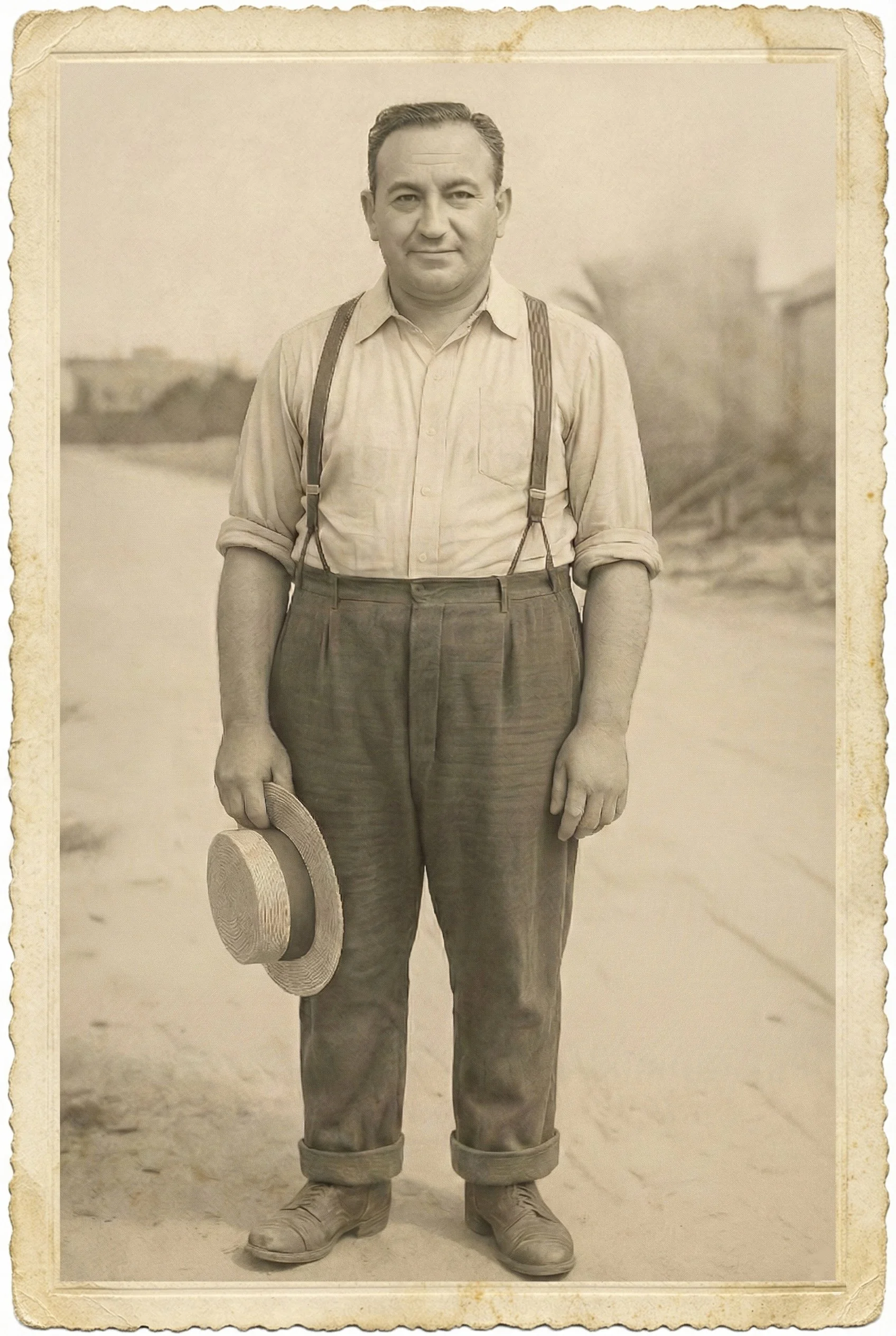
And Irving Goldstein, from Brooklyn, New York, son of a cart salesman, came too. Improbably.
He stepped off the train in a suit too warm for the weather, with a single suitcase, and a heart full of risk.
He’d bought the land sight unseen. Against his father’s advice and with money borrowed from a brother who still hadn’t forgiven him. And Rosie... Well, Rosie wasn’t there with him, was she.
He stood across from 221 Collins Avenue and looked at the building: a two-story walk-up, still new enough to gleam.
He watched how the wind curled under the eaves, how the light stretched across the porch, how the windows caught the sky just enough to look like they were holding it.
It looked exactly the way he’d imagined it from the drawings. And it looked like it had been waiting for him all along.
He chose the best apartment for himself, just until it was rented, he said. And those first few days passed like pages. And in the evenings, he sat on the small porch with a glass of bourbon and a linen cloth across his lap, watching the light soften the stucco. Watching the shadows climb the wall like vines.
And maybe, just maybe, for the first time in his life, he believed he had done something right...
Somewhere out over the open water the wind had already turned.
The storm hit three days later, like a fist from the bottom of the world...
LISTEN